Imagine a place where people are twice as likely to say something negative about you as something positive. A place where they feel free to insult you in ways they would never attempt in person. A place where they are incentivized, sometimes financially, for saying things about you that are untrue.
Social media is that place.
Online hate has received renewed attention in recent weeks. Most notably, ESPN commentator Pat McAfee cited online remarks, lies, and death threats when explaining why he felt unsafe at a Utah college campus last week. He said people frequently tell him they want to “Kirk” him, a reference to the assassination of political activist Charlie Kirk.
BOBBY BURACK: JUSTIN TUCKER SIGNING EXPOSES SPORTS MEDIA’S SELECTIVE OUTRAGE OVER NFL MISCONDUCT
OutKick founder Clay Travis has described receiving similar messages almost every day. McAfee and Travis are not alone. Anyone with a public platform or a controversial opinion has likely faced an online barrage of abuse, often more than once.
In my experience, negative comments outnumber positive ones by an even wider margin than the nearly two-to-one ratio University of Minnesota researchers found.
The mental health consequences are not only measurable but notable.
In a 2025 experiment involving 128 adults, participants exposed to negative social media comments recorded anxiety scores of 2.42, compared with 1.77 among those who saw neutral comments and 1.55 among those who saw positive comments. Their pleasant mood scores also fell to 2.37, compared with 3.05 after neutral comments and 3.25 after positive comments.
Translation: their moods were tied to what people say to them and about them online.
A separate meta-analysis found that adolescents who experienced cyberbullying had 2.73 times the odds of developing depression as those who had not.
The numbers are concerning. Social media hostility can cause serious distress, from children and teenagers to professional athletes and public figures.
Jesse Morse, M.D., built an X following of more than 200,000 people by providing injury analysis on NFL players. His account generated enough engagement to qualify for monetization. Last week, he said he had “retired” from the role because of the relentless negativity.
“My reputation is not worth it. I get so much hate. It’s just not worth it anymore,” Morse wrote.
Maybe it is not worth it. That is for you to decide.
But the people spreading the hate are not worth it. They are not worth acknowledging. They are mere strangers to you.
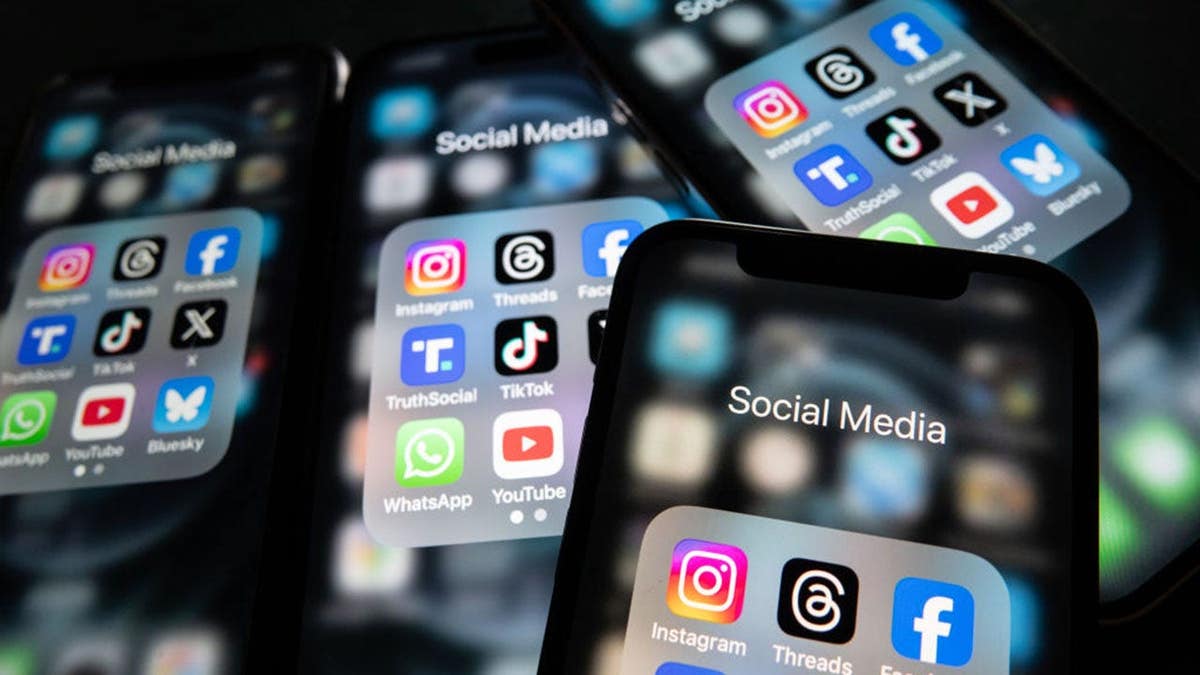
In this photo illustration, iPhone screens display various social media app logos including Instagram, Threads, Facebook, Truth Social, TikTok, X, WhatsApp, YouTube and Bluesky on Feb. 9, 2025, in Bath, England. The image comes as the Australian Senate recently passed a law to ban children under 16 from having social media accounts, with platforms including TikTok, Facebook, Snapchat, Reddit, X and Instagram potentially facing fines for allowing users younger than 16 to create accounts. (Getty Images)
CLICK HERE FOR MORE OUTKICK SPORTS COVERAGE
Think about the logic of allowing someone who does not know you to determine your mood. If someone criticized a movie but admitted they had watched only a few seconds, you would dismiss the review immediately. You wouldn’t give credibility to someone judging an entire film from an incomplete sample.
Social media criticism is often no different. People are far more complex than films. And yet, most users who insult you are responding to a single post, comment or moment. They are judging your character based on one short scene.
Their opinion is not credible. It only becomes so if you decide to make it credible.
Social media also distorts public opinion. Studies show that negative content is overrepresented because it attracts more engagement and spreads more widely. In return, positive reactions are quieter and less visible. The online response is not a representative sample of the real world.
In previous generations, most people had no idea what strangers thought of them. Strangers had no way to announce their opinions directly.
Now they do.
That is the only thing that has changed.
Their opinions have not become more informed, accurate or important simply because technology can deliver them to your phone.
So stop treating them as if they have.
Do not let people who do not know you define you. Do not let the most unreasonable and uninformed people defeat you.
Ignore them. Turn off your mentions. Restrict replies. Disable public comments. Delete social media, if you wish. The moment you stop giving strangers access to your attention, you render them powerless.
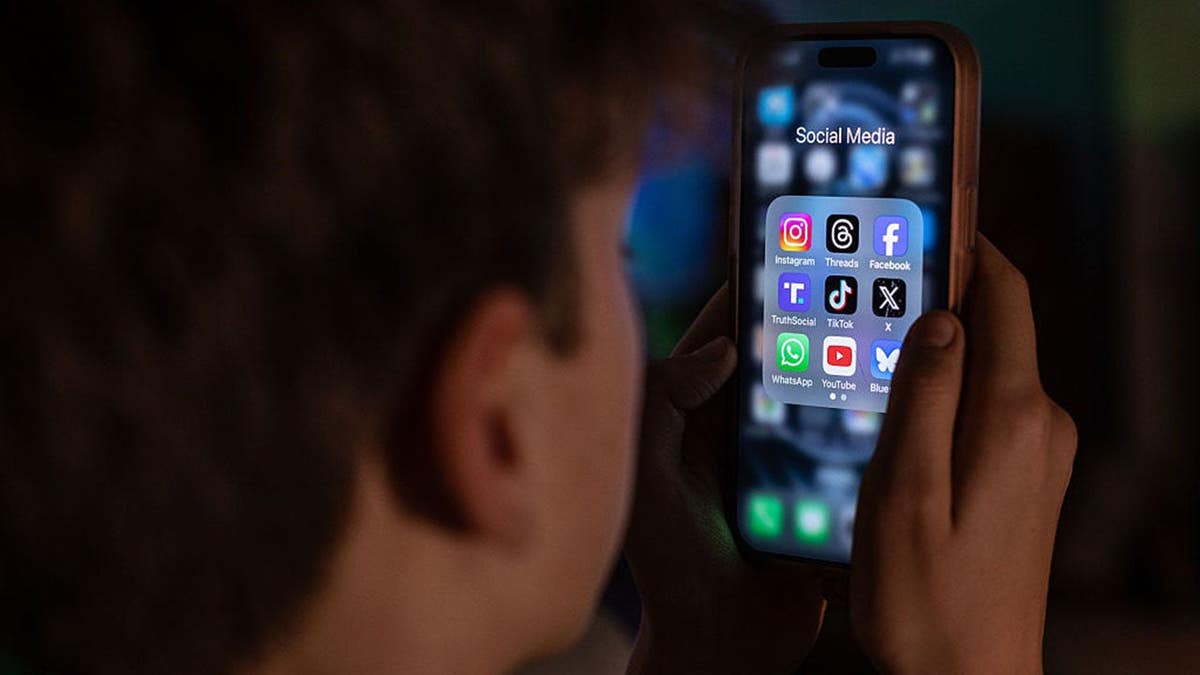
In this photo illustration, a 13-year-old boy looks at an iPhone screen displaying social media apps on Dec. 23, 2025, in Bath, England. The image comes as the Australian Senate recently passed a law to ban children under 16 from having social media accounts, with platforms including TikTok, Facebook, Snapchat, Reddit, X, formerly Twitter, and Instagram potentially facing fines for allowing users younger than 16 to maintain accounts. (Getty Images)
CLICK HERE TO DOWNLOAD THE FOX NEWS APP
Unless a troll is a direct threat to what matters most in your life — friends, family, career, health, safety — they should have no place in your mind.
Hate is lonely when no one notices it.