Good morning. You’re reading the Up First newsletter. Subscribe here to get it delivered to your inbox, and listen to the Up First podcast for all the news you need to start your day.
Today’s top stories
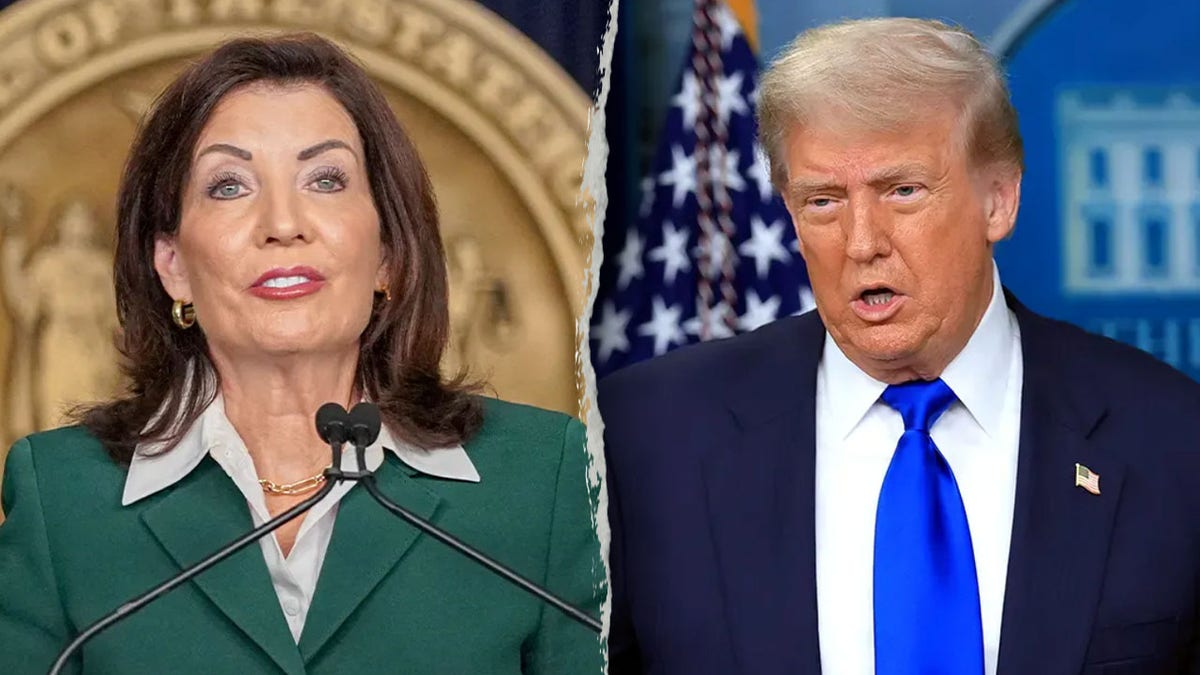
Midterm ad spending has surpassed a record $11 billion, according to Ad Impact. An NPR analysis found that candidates in four major Senate races spent more than $15 million on fundraising ads in the 2025-26 election cycle. Meanwhile, President Trump has been campaigning in tight races across states like Texas, Mississippi, and Kansas.
Sen. Jon Ossoff, D-Ga., speaks during a campaign event on October 17, 2026 in Marietta, Georgia.
Elijah Nouvelage/Getty Images
hide caption
toggle caption
i
Elijah Nouvelage/Getty Images
- 🎧 Trump has not been sticking with his standard midterm pitch, which includes touting GOP tax cuts and attacking Democrats, NPR’s Danielle Kurtzleben tells Up First. His jokes, including comments about Ohio Sen. Jon Husted’s physique, entertain rally crowds but distract from the key issues the median voter cares about, like the economy and gas prices. Midterm turnout is usually low, but the GOP base still supports him, suggesting many MAGA votes are available, Kurtzleben says. But Trump needing to rally votes in very red states indicates a potential problem for his party.
The election in Israel is too close to call after voters turned out in record numbers to decide whether to keep Prime Minister Benjamin Netanyahu in office or oust him for an alternative. Netanyahu was in a tight race with his top rival Gadi Eisenkot, a center-right former military chief of staff. Final vote tallies may take time, and if no bloc secures a majority, it could take days or weeks for party leaders to form a governing coalition and determine the next prime minister.
- 🎧 Israelis went to bed thinking Eisenkot had the advantage, but by morning, Netanyahu pulled ahead, making the election too close to call, NPR’s Daniel Estrin says. Election officials tell NPR that they expect to finish counting votes by tomorrow afternoon. The leading candidate will have six weeks to form a governing coalition, likely competing for support from defectors in each other’s camps. Eisenkot could gain the majority of lawmakers’ support in parliament, thanks to a strong showing from Arab-led parties eager to see him as prime minister. Eisenkot’s camp is hesitant to form a coalition with Arab parties due to mistrust and demonization of Arab political leaders after the Oct. 7, 2023, attacks, Estrin says. He adds that both candidates don’t have a clear path to a majority coalition.
The Federal Reserve typically combats inflation by raising interest rates. While prices are currently rising faster than average wages, investors don’t expect a rate hike at today’s meeting.
- 🎧 The Labor Department’s latest cost-of-living report shows consumer prices rose 3.7% in September compared to last year. NPR’s Scott Horsley says that marks a larger annual increase than the previous month. Fed policymakers raised interest rates in September, but investors believe the central bank will remain low-key ahead of Election Day and may increase rates again in December.
The Ebola outbreak has surpassed 10,000 people infected since its declaration in May, according to the latest figures from the Democratic Republic of Congo. This outbreak has spread faster than any in history. It is also the largest in geographic scope, spanning from Nigeria to Kenya, and is second in death toll with nearly 5,000 deaths. Around one-third of those who have died have been children.
On the ground
The results of the 2026 midterm elections will shape the final two years of President Trump’s second term and serve as a precursor to the 2028 general election. This month, Morning Edition is reporting from six states that could change the balance of power in Washington.
With Election Day less than a week away, Morning Edition‘s Michel Martin went to the Midwest to hear from voters about what is important to them this midterm cycle. In Springfield, Ohio, the Trump administration has conducted an aggressive campaign to deport Haitian residents who have been living legally in the country with Temporary Protected Status. The administration revoked TPS for Haitians during Trump’s second term. And in Michigan, Abdul El-Sayed has narrowly won the Democratic Senate nomination, a victory for the party’s progressive wing. The swing state is important to both parties, which is why Trump and former President Barack Obama campaigned for their party’s Senate candidate over the weekend.
Hear what voters in these two states had to say:
- 🎧 In Michigan, many voters expressed burnout as they worry about gas prices and healthcare.
- 🎧 Trump’s tariffs are hitting Michigan households harder than any other state because many people depend on cross-border trade. But voters affected said the issue isn’t so clear-cut.
- 🎧 Winning a statewide office in Michigan without Detroit is challenging, and El-Sayed didn’t perform well there in the primary. Some Black Detroiters said they remain skeptical of him.
- 🎧 Some Springfield, Ohio voters said they are voting early because they are angry about the administration’s treatment of Haitians.
Follow the reporting on Morning Edition, NPR.org, in the NPR app and in this newsletter.
The NPR App has all of NPR’s election coverage in one place — from the biggest stories across the country, to the issues that matter close to home. Browse headlines, playlists, podcast episodes, videos and more, all on the 2026 Election tab.
Life advice

To free up more time in your life, writer Caroline Sylge proposes a creative idea: Give yourself a “say no” retreat. It’s a day to look at your calendar and thoughtfully decline obligations in the next few weeks and months.
Juan Moyano/ Moment RF/ Getty Images
hide caption
toggle caption
i
Juan Moyano/ Moment RF/ Getty Images
As the holidays approach and appointments and commitments begin to pile up, author Caroline Sylge recommends a “say no” retreat — a day dedicated to figuring out which obligations you want to decline in the coming weeks and months. While it may seem unconventional to devote an entire day to saying no, this approach can help create space for what truly matters to you. Sylge shared with Life Kit her suggested schedule for a “say no” retreat:
- 🙅 As soon as you wake up, list things you want to say no to. Identify the obvious tasks you want to avoid.
- 🙅 Take a break, then return to your retreat space and expand your “say no” list. Review requests, appointments, volunteer work and commitments for the coming days, weeks and months. Note the tasks you want to decline, and why.
- 🙅 After another break, review your list and start saying no. Start with a small win, like crossing off a demanding task. Next, focus on the tougher rejections that may involve saying no to someone you care about or work with.
For more guidance on a “say no” retreat, listen to this episode of NPR’s Life Kit. Subscribe to the Life Kit newsletter for expert advice on love, money, relationships and more.
3 things to know before you go

Dalia Luque, left, has her face painted by Amber Lovold, one of the organizers of a midnight release party at Politics and Prose in Washington, D.C. They are celebrating the publication of A Court of Splintered Harmony, the latest installment of Sarah J. Maas’ popular romantasy series.
Ella Mitchell/NPR
hide caption
toggle caption
i
Ella Mitchell/NPR
- The latest installment of Sarah J. Maas’ A Court of Thorns and Roses came out on Tuesday, prompting thousands of fans to attend midnight release parties at bookstores nationwide.
- A federal judge has temporarily blocked the Trump administration’s plans to further change East Potomac Park, the municipal D.C. golf course that the president wants to turn into a championship-level venue.
- Harvard astrophysicists have found what they believe is a previously undiscovered dwarf planet in our solar system. (via WGBH)
This newsletter was edited by Suzanne Nuyen.